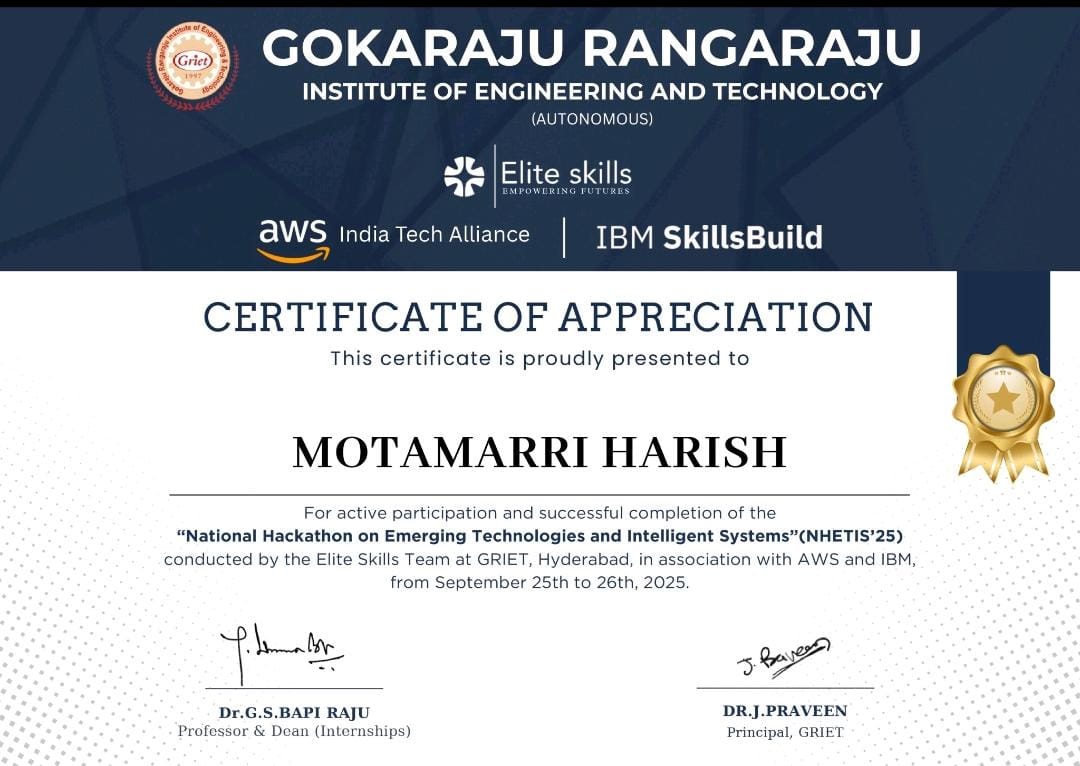
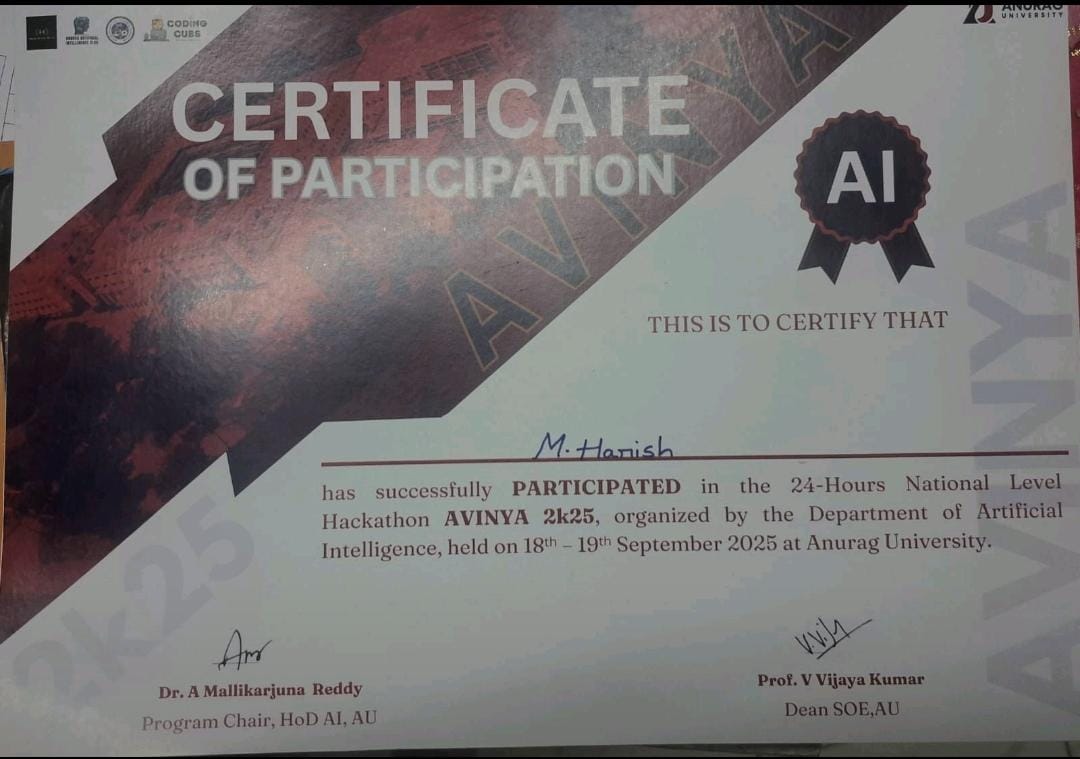
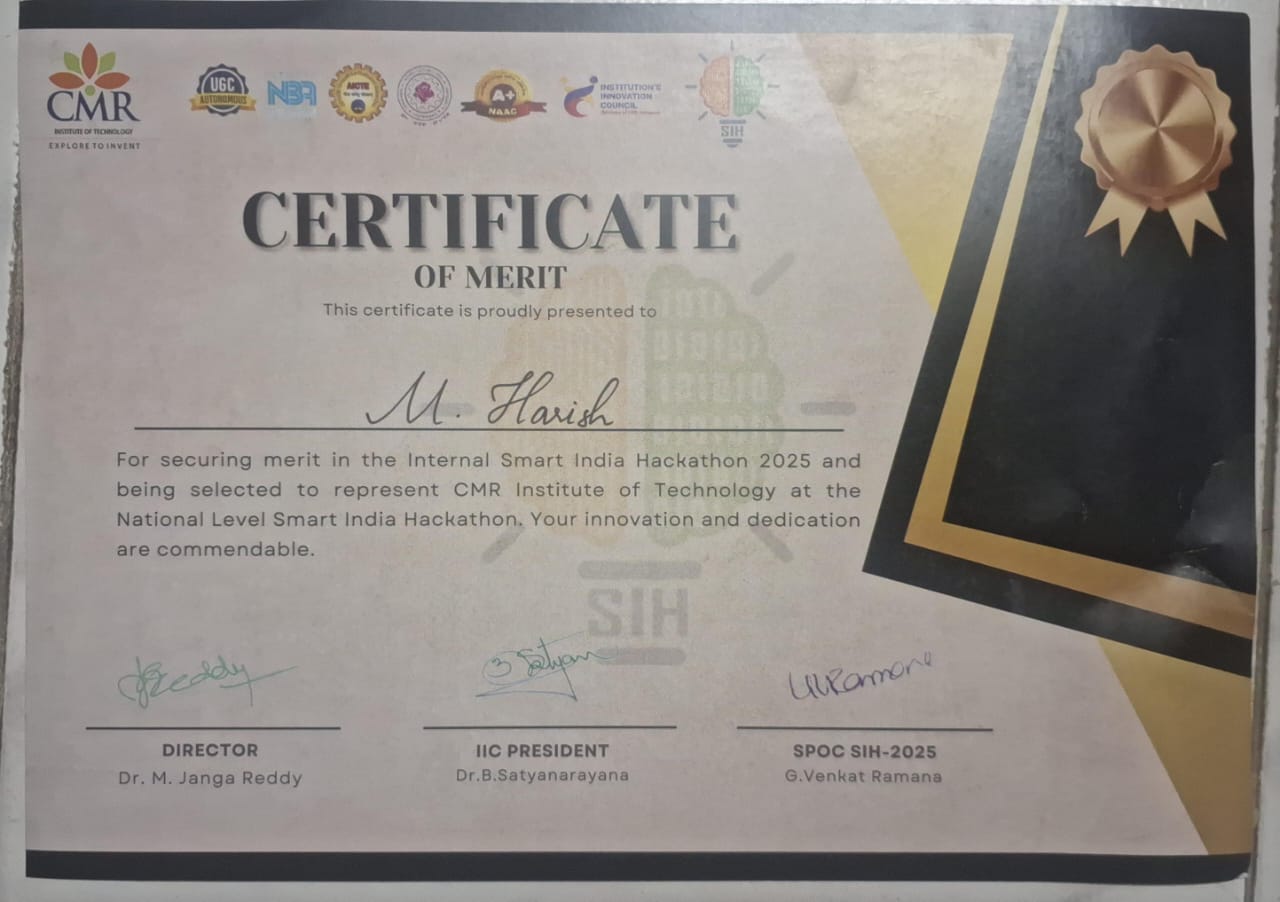
Welcome to my portfolio

Harish Motamarri

Loading the portfolio experience

Loading...
Open to internships

Harish Motamarri

Full Stack Developer building products at the intersection of AI, IoT, and modern web — with a startup mindset and a bias for shipping.

Currently Building →
10+
Shipped Projects
9.12
CGPA / 10
2nd
Year · B.Tech AI&ML
Curiosity
Harish Motamarri
About me

Not just a developer
a builder with a mission.

I didn't start coding because it was trendy. I started because I was frustrated — Everything i see has a fault or a problem. I wanted to fix that.

I'm a 2nd-year B.Tech CSE studentbuilding real products — not tutorial projects. Every line I write is tied to a real problem. I care about the last mile: making sure what I build actually works for the people using it.

"The best engineers aren't the ones who know the most syntax — they're the ones who can zoom out, see the system, and ship something that matters."
Harish Motamarri
Harish Motamarri
Full Stack Developer · AI · IoT
Status Open to internships
Education B.Tech CSE(Ai&Ml) · 2nd Year
CGPA 9.12 / 10
Location India
Timezone IST (UTC +5:30)
Tech stack

Tools I build real things with.

Languages
JavaScript TypeScript Python HTML5 CSS3 C Java SQL
Frontend
React TailwindCSS Responsive Design
Backend & AI
Node.js FastAPI REST APIs SQLite TensorFlow MobileNetV2
Tools & Infra
Git & GitHub Linux SSH IoT Integration Vercel Netlify
// Core strengths
JavaScript / TS
Core
React
Strong
Python
Strong
Node.js / APIs
Applied
AI / ML
Applied
IoT Integration
Applied
Projects

Things I've built & shipped.

Project Image
Project 01
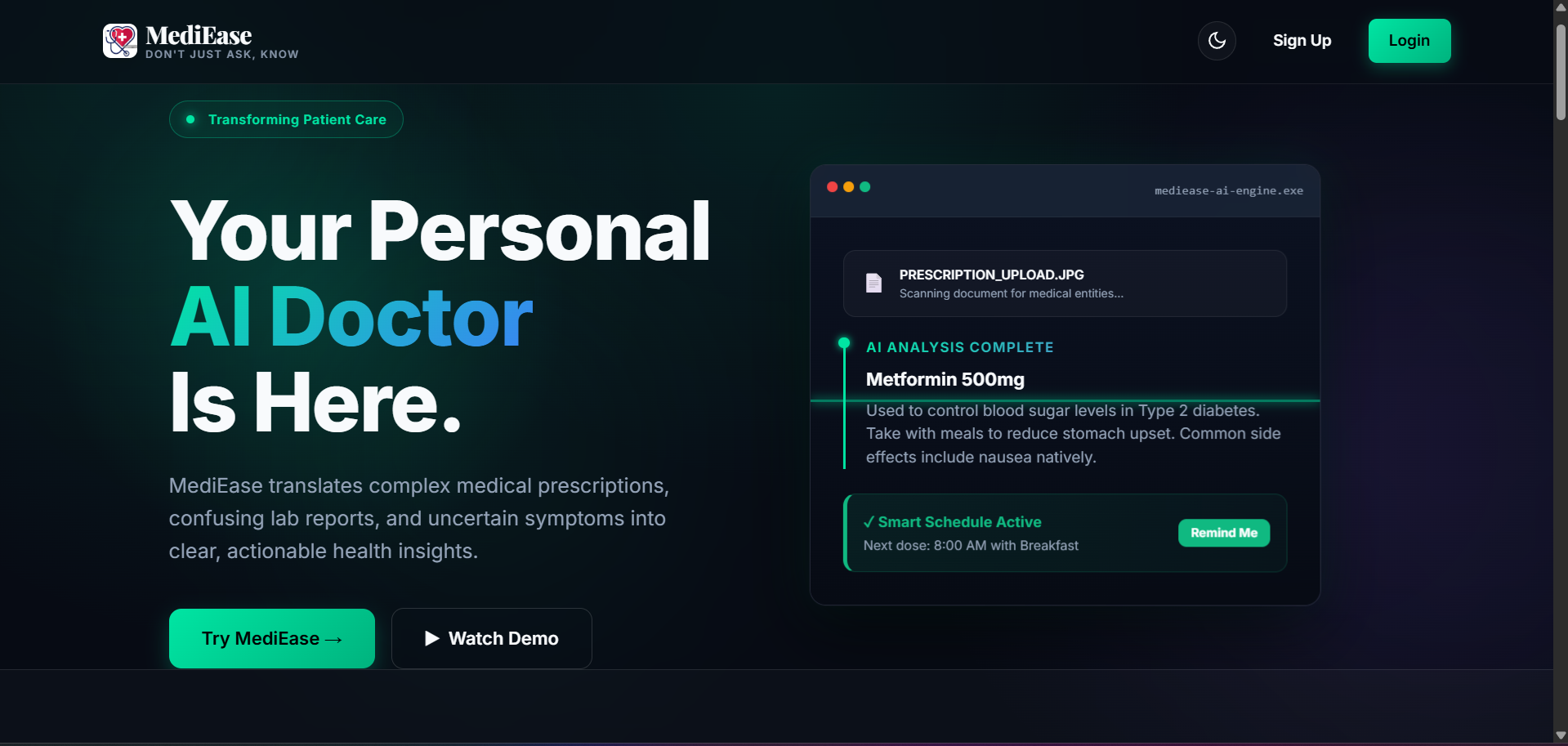
MediEase — Patient Report Analyzer
AI-powered system that analyzes medical reports and extracts key health insights for patients and doctors.
AI + Web Full Stack Python / FastAPI NLP / OCR SQLite

🔍 The Problem

Patients often receive medical reports filled with complex medical terminology, lab values, and technical language that is difficult to understand without a doctor. Important health indicators are buried inside long reports, making it hard for patients to quickly understand their health status.

💡 The Solution

A web-based system where users upload medical reports (PDF/Image), and the system automatically extracts text, analyzes medical data, identifies abnormal values, and generates a simplified health summary in understandable language.

🏗 Architecture

  • User uploads medical report through web interface
  • Backend server processes file and extracts text using OCR
  • NLP module analyzes report and identifies important medical parameters
  • System flags abnormal values and generates health summary
  • Results stored in database and displayed on dashboard

⚙️ Tech Stack

Python FastAPI OCR (Tesseract / EasyOCR) NLP Processing SQLite HTML/CSS/JS REST APIs

🧗 Challenges

  • Extracting accurate text from low-quality medical report images
  • Identifying medical terms and lab parameters correctly
  • Handling different report formats from different hospitals
  • Generating meaningful summaries instead of raw extracted text

📚 What I Learned

  • OCR and text extraction from real-world documents
  • Natural Language Processing for healthcare data
  • Backend API design using FastAPI
  • Handling file uploads and document processing pipelines
  • Designing systems that convert raw data into meaningful insights
Project Image
Project 02
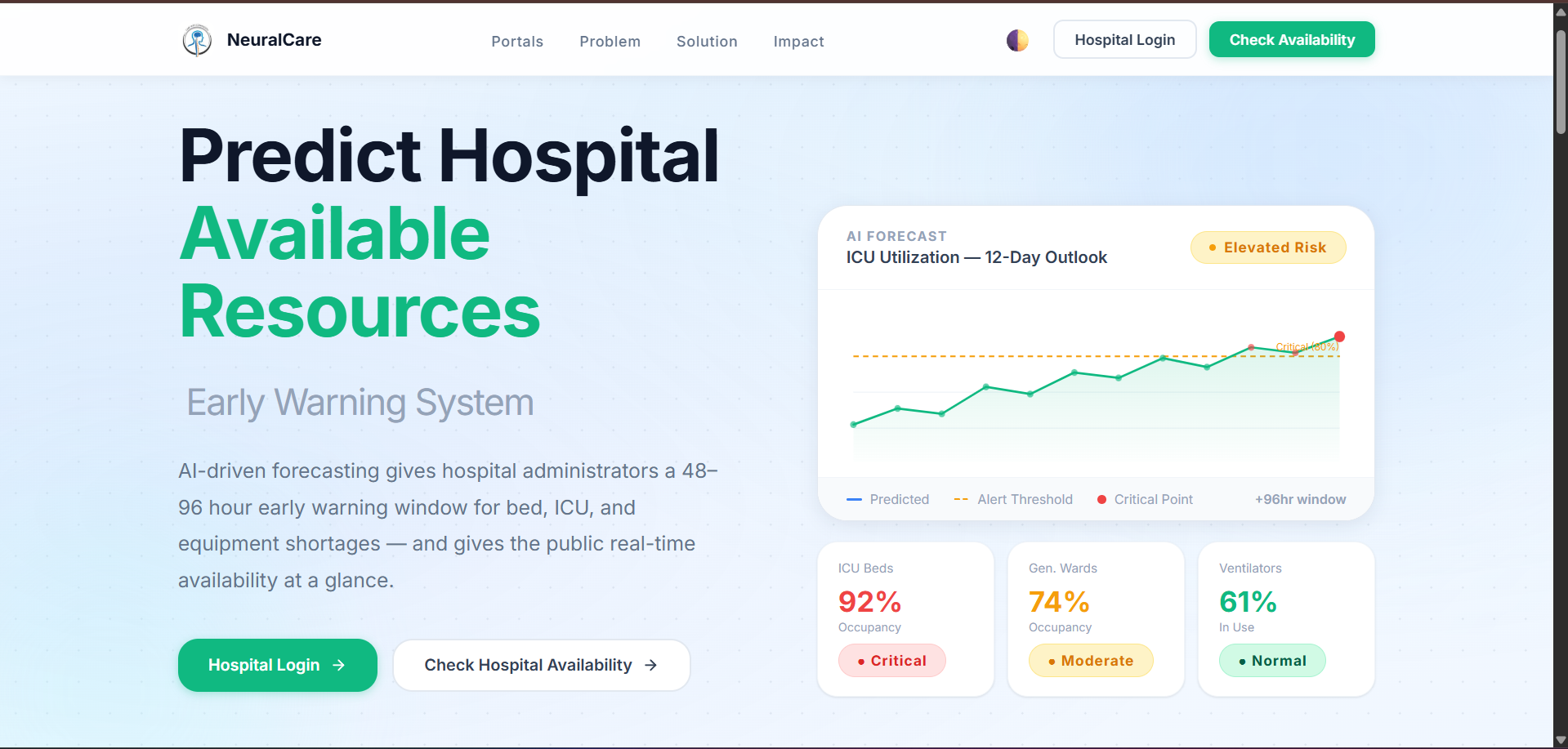
NeuraCare — Hospital Resource Allotment System
Intelligent hospital resource management system that optimizes bed allocation, doctor availability, and emergency resource distribution.
AI + Web Full Stack Python / Node.js Database System

🔍 The Problem

Hospitals often struggle with inefficient resource allocation — ICU beds, general beds, doctors, and emergency equipment are assigned manually or through basic systems. This leads to delays in patient admission, poor resource utilization, and critical issues during emergency situations when resources must be allocated quickly.
💡 The Solution

A smart hospital resource allotment system that automatically assigns beds, doctors, and resources based on patient priority, availability, and hospital capacity. The system provides a real-time dashboard for hospital staff to monitor and manage resources efficiently.
🏗 Architecture

  • Hospital staff enters patient details and priority level
  • Backend system checks available beds, doctors, and resources
  • Allocation algorithm assigns optimal resources
  • Database stores patient records and resource usage
  • Admin dashboard displays real-time hospital resource status
  • System updates availability automatically after discharge

⚙️ Tech Stack

Python / Node.js FastAPI JavaScript SQLite / MySQL REST APIs Scheduling Algorithm

🧗 Challenges

  • Designing a fair and efficient resource allocation algorithm
  • Handling real-time updates when resources become available/unavailable
  • Managing concurrent requests from multiple hospital staff
  • Database design for patients, beds, doctors, and allocation records

📚 What I Learned

  • Resource allocation and scheduling system design
  • Database schema design for real-world systems
  • Backend API development for management systems
  • Building admin dashboards for monitoring systems
  • Designing software for real-time operational environments
Project Image
Project 03
Smart CMR — Smart Campus Management & Resource System
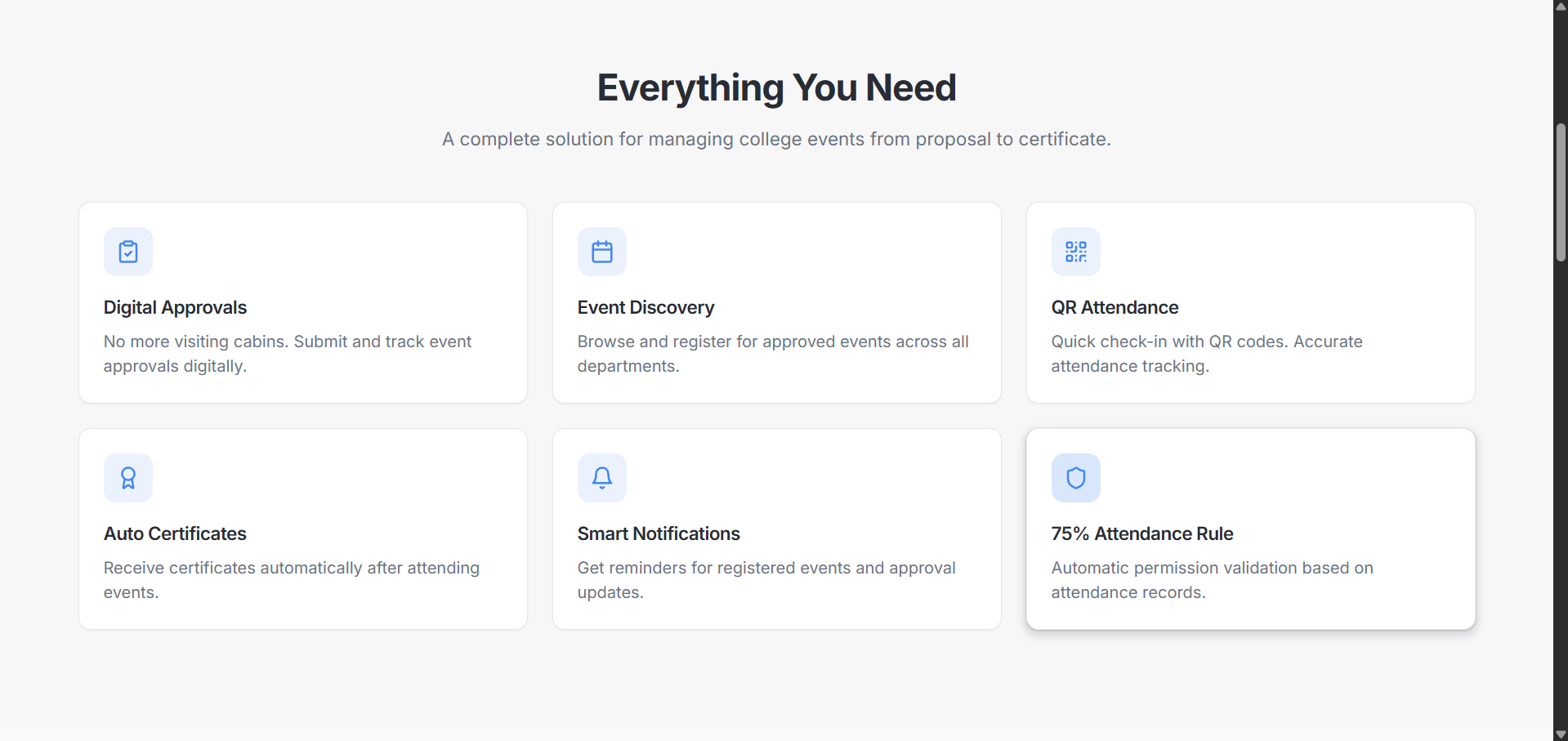
A smart campus management system for managing classrooms, events, resources, and student activities with a centralized dashboard.
Web System Full Stack Node.js / React Dashboard

🔍 The Problem

In many colleges, classroom allocation, event management, lab usage, and resource booking are managed manually through paperwork or spreadsheets. This leads to scheduling conflicts, poor resource utilization, and lack of real-time information for students and faculty.

💡 The Solution

Smart CMR is a centralized campus management system where administrators, clubs, and faculty can manage classrooms, labs, events, and campus resources through a web dashboard. Students can view events, room schedules, and resource availability in real time.

🏗 Architecture

  • Admin creates classrooms, labs, and campus resources
  • Clubs and faculty request rooms or resources for events
  • Backend system checks availability and prevents scheduling conflicts
  • Database stores events, rooms, bookings, and users
  • Dashboard shows schedules, events, and resource usage
  • Students can view upcoming events and room schedules

⚙️ Tech Stack

React / JavaScript HTML / CSS Node.js / Express Database (SQL/NoSQL) REST APIs Dashboard UI

🧗 Challenges

  • Preventing scheduling conflicts for rooms and resources
  • Designing database for rooms, events, users, and bookings
  • Managing different user roles (Admin, Faculty, Student, Club)
  • Building a clean dashboard to display large amounts of data

📚 What I Learned

  • Full stack web application architecture
  • Database relationship design (users, rooms, events, bookings)
  • Authentication and role-based access control
  • Building dashboards and management systems
  • Solving real-world scheduling and resource management problems
Project Image
Project 04
Sentinel Shield — File & Malware Detection System
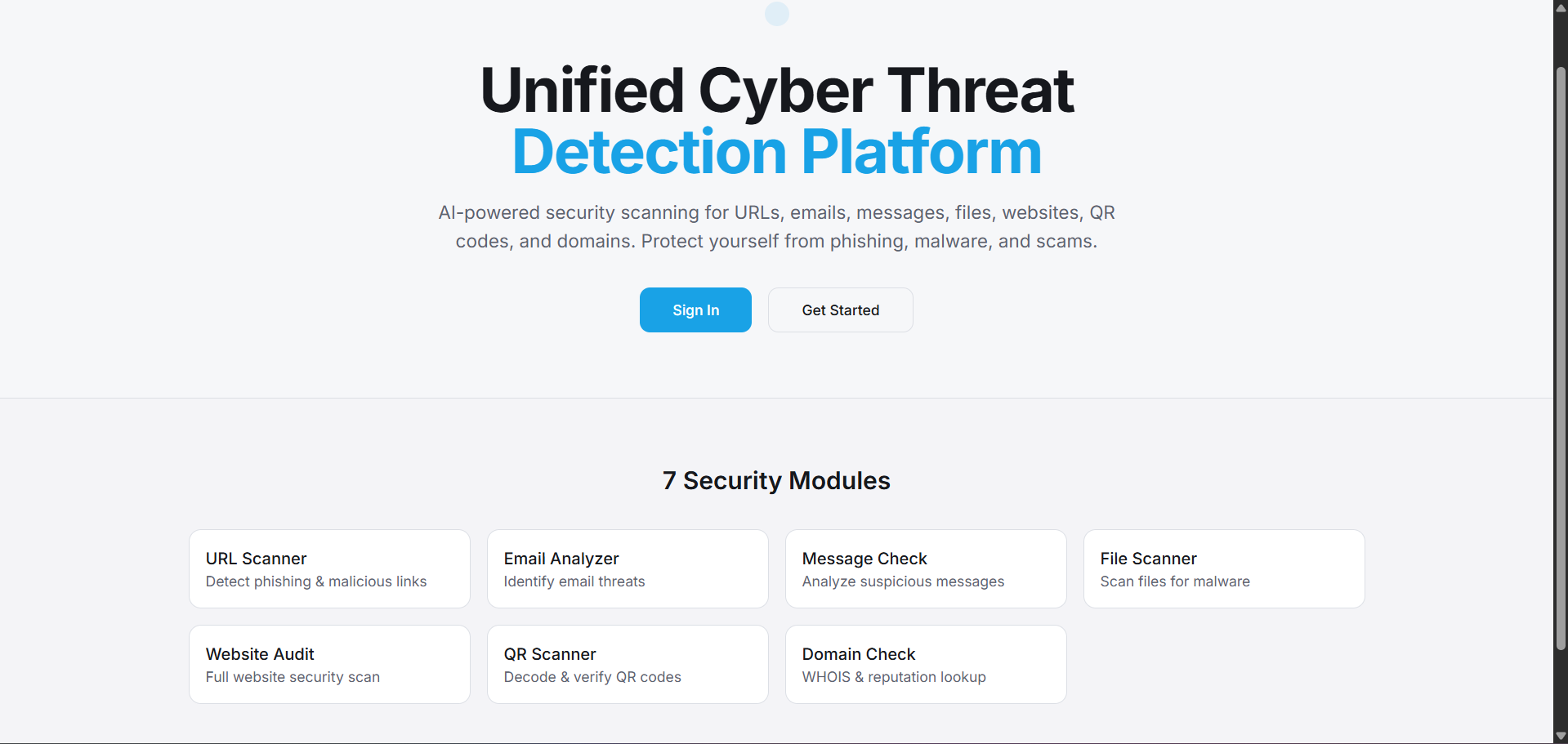
A security system that scans uploaded files, detects malicious content, and prevents unsafe files from entering the system.
Cybersecurity + Web Full Stack Malware Detection API Integration

🔍 The Problem

Many web applications allow users to upload files, but these files can contain malware, scripts, or harmful content that can compromise servers and user data. Small applications and startups often lack proper file scanning and security validation systems.

💡 The Solution

Sentinel Shield is a file security system that scans uploaded files using malware detection APIs and custom validation checks before storing them on the server. The system blocks malicious files, logs scan results, and provides a dashboard to monitor file upload security.

🏗 Architecture

  • User uploads file through web application
  • Backend server temporarily stores the file
  • File is sent to malware scanning API for analysis
  • System checks file type, size, and suspicious content
  • If file is safe → stored in server
  • If file is malicious → blocked and logged
  • Admin dashboard shows scan logs and threats detected

⚙️ Tech Stack

Node.js / FastAPI JavaScript HTML / CSS Database (SQLite) Malware Scan API REST APIs

🧗 Challenges

  • Handling secure file uploads and temporary storage
  • Integrating malware scanning APIs
  • Preventing execution of malicious files on server
  • Designing file validation and scanning pipeline
  • Managing large file uploads efficiently

📚 What I Learned

  • File upload security and server-side validation
  • Malware detection APIs and security workflows
  • Backend security best practices
  • Logging and monitoring system events
  • Designing secure systems instead of just functional systems
Project Image
Project 05
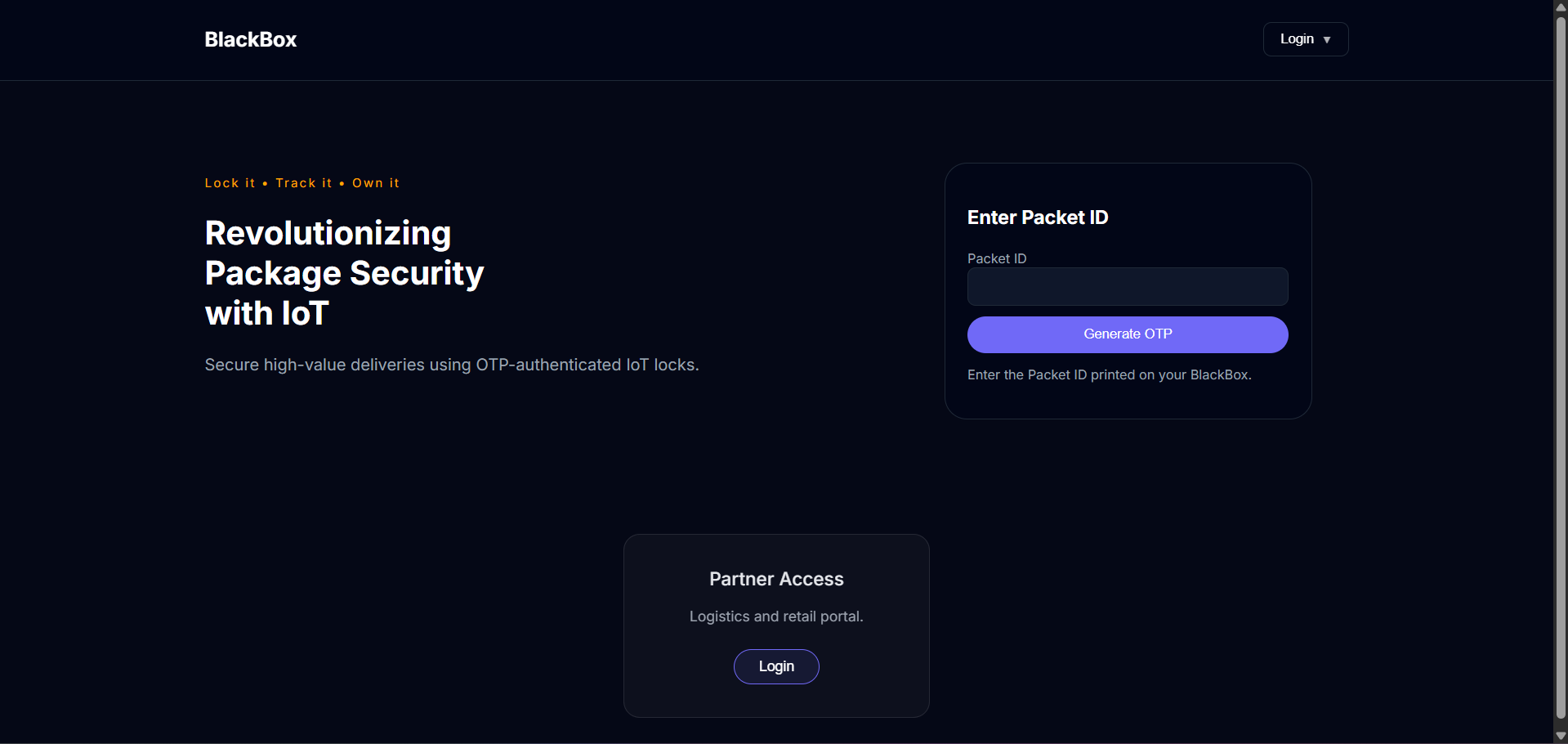
BlackBox — Smart Security Packet(Role : System Integration Specialist)
Confidential startup project focused on secure IoT systems, backend development, and real-world systems integration.
IoT + Web Full Stack Node.js SQLite
Startup Project · Details Private
Project Image
Project 06
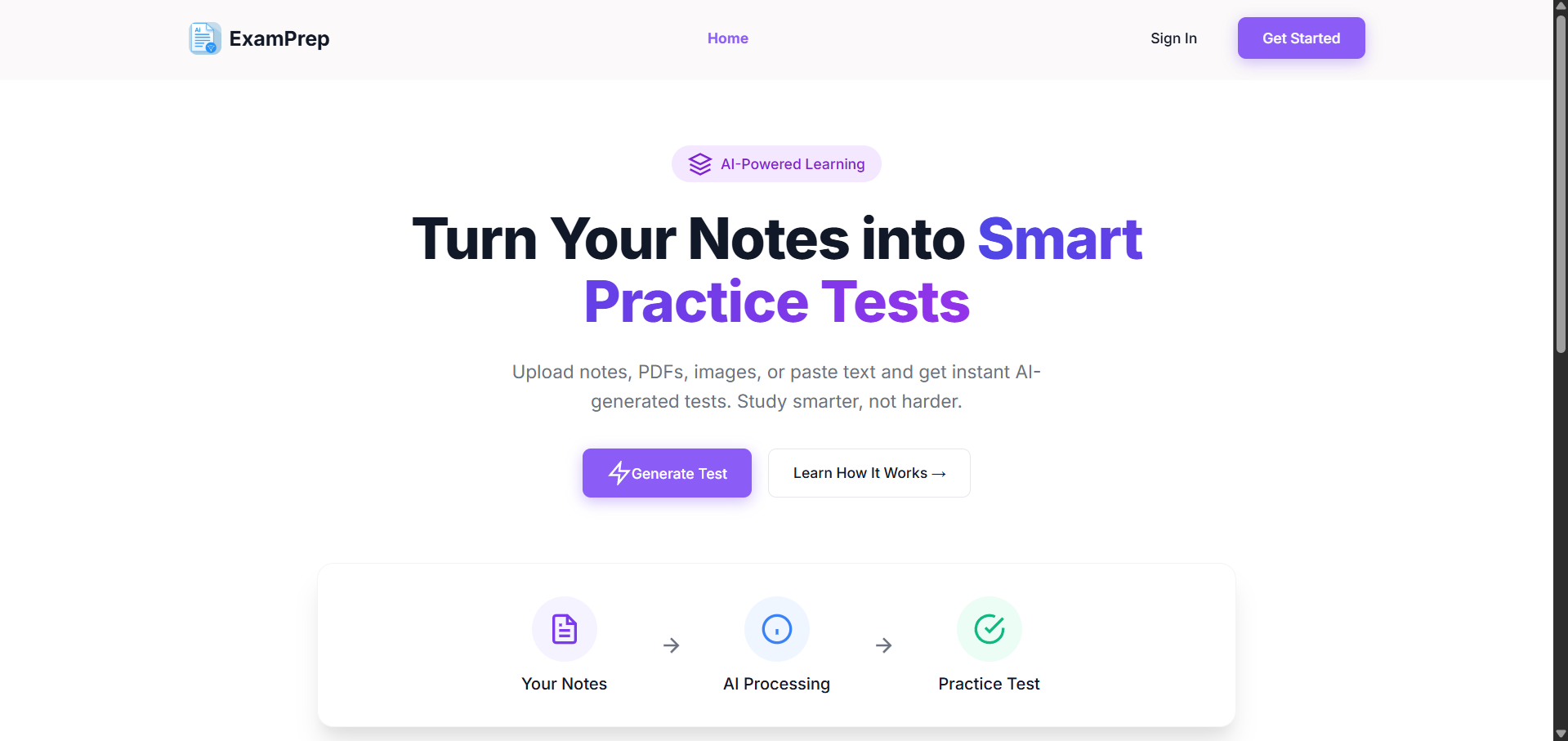
ExamPrep — Smart Exam Preparation & Paper Prediction System
A system that analyzes previous exam papers and syllabus to generate important questions, predicted papers, and study plans for students.
AI + Web Full Stack Python / Node.js Data Analysis

🔍 The Problem

Students often prepare for exams without knowing which topics are important or frequently asked. Analyzing previous question papers manually is time-consuming, and students may focus on less important topics while missing high-weightage areas.

💡 The Solution

ExamPrep is a system that analyzes previous years’ question papers and syllabus to identify important topics, frequently asked questions, and generate predicted question papers along with a study plan for students.

🏗 Architecture

  • Previous question papers are uploaded into the system
  • System extracts questions and topics from papers
  • Algorithm analyzes frequency of topics and question patterns
  • Important topics and predicted questions are generated
  • Students can view predicted papers and study plan through dashboard

⚙️ Tech Stack

Python / Node.js HTML / CSS / JS SQLite NLP / Text Analysis Data Analysis REST APIs

🧗 Challenges

  • Extracting questions from different paper formats
  • Identifying topics from questions using text analysis
  • Designing prediction algorithm based on question frequency
  • Generating meaningful predicted question papers
  • Creating study plan based on exam timeline

📚 What I Learned

  • Text processing and data analysis
  • Pattern recognition from previous exam papers
  • Database design for academic content
  • Building student-focused productivity systems
  • Designing systems that convert data into actionable insights
Project Image
Project 07
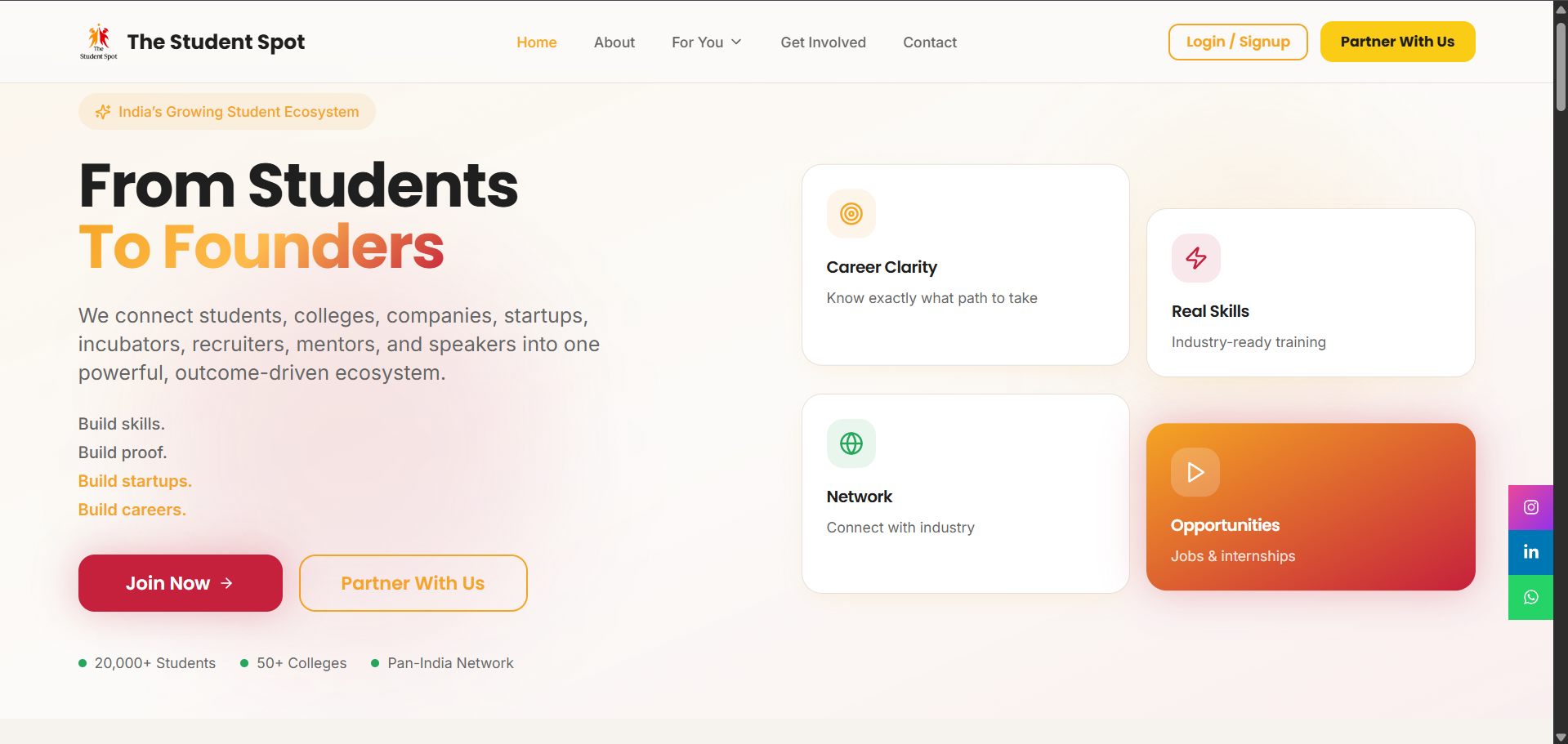
The Student Spot — Student Community & Resource Platform (Role : Full Stack Developer)
Selected as a Full Stack Developer to build “The Student Spot”, a centralized community platform where students can share notes, opportunities, events, projects, and collaborate with other students. Currently developing the core platform including authentication, dashboard, and resource sharing system.
Web Platform Full Stack Community Dashboard System

🔍 The Problem

Students usually get information about internships, hackathons, notes, and opportunities through scattered WhatsApp groups and social media. Important opportunities get lost in chats, and there is no centralized platform specifically designed for students to share resources and collaborate on projects.

💡 The Solution

The Student Spot is a centralized student platform where users can share notes, post opportunities, announce events, showcase projects, and collaborate with other students. The platform acts as a student community hub and resource sharing system.

🏗 Architecture

  • Students create accounts and log in
  • Users can upload notes, post opportunities, and share events
  • Projects and collaboration posts can be created
  • Backend stores users, posts, resources, and events
  • Dashboard displays latest opportunities, notes, and announcements
  • Admin can manage posts and users

⚙️ Tech Stack

React / JS HTML / CSS Node.js / Express Database (SQL/NoSQL) Auth System File Uploads

🧗 Challenges

  • Designing database for users, posts, resources, and events
  • Implementing authentication and user roles
  • Handling file uploads for notes and resources
  • Building a clean dashboard for multiple types of content
  • Managing content moderation and admin controls

📚 What I Learned

  • Building community-based web platforms
  • Authentication and user management systems
  • File upload and resource sharing systems
  • Database design for social/content platforms
  • Full stack application architecture
agrivani — ai crop disease detection & farmer assistance platform
Project 08
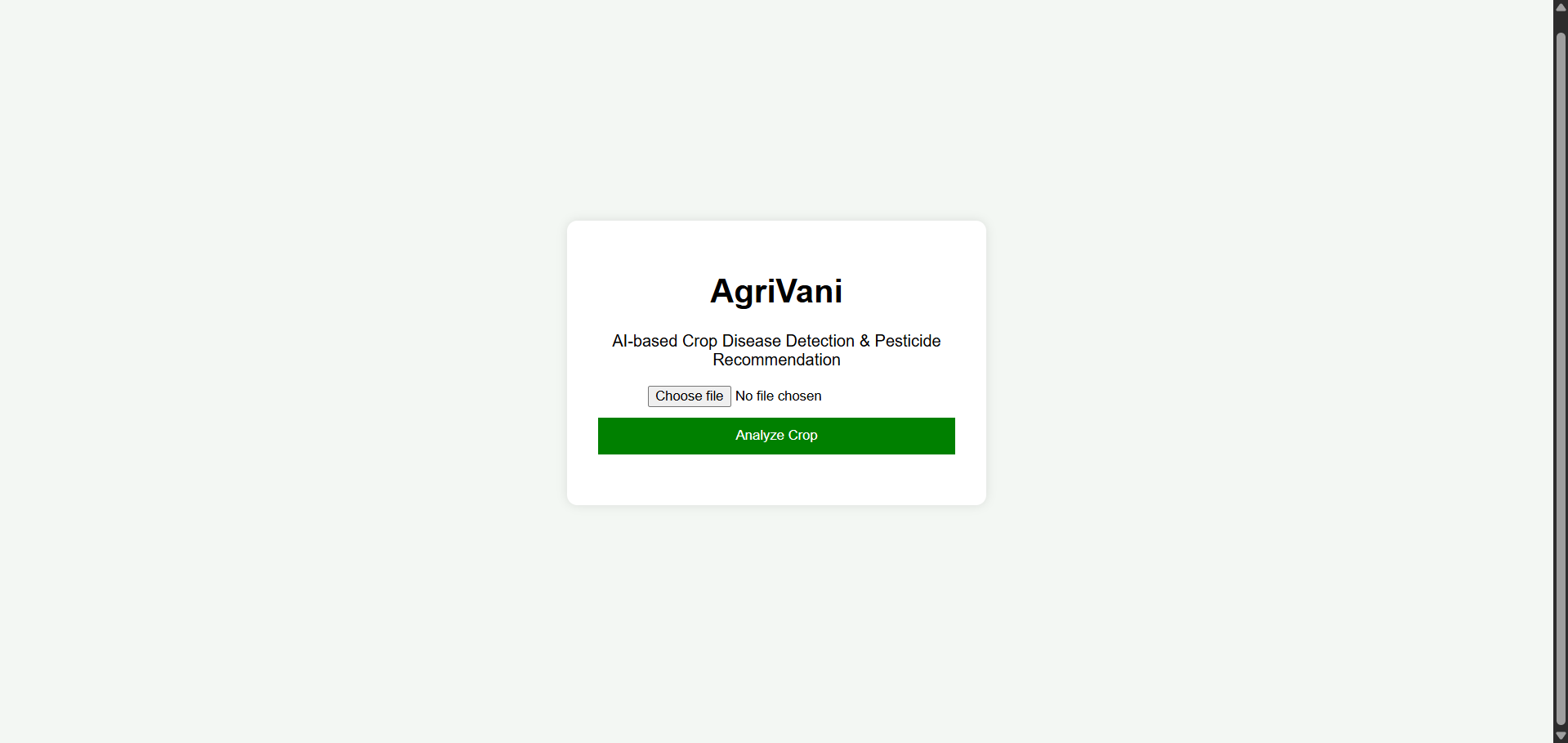
AgriVani — AI Crop Disease Detection & Farmer Assistance Platform
An AI-powered agriculture assistance system that detects crop diseases from leaf images and provides treatment and pesticide recommendations.
AI + Web/Mobile Machine Learning MobileNetV2 Computer Vision

🔍 The Problem

Farmers often struggle to identify crop diseases early, which leads to crop loss and reduced yield. Access to agricultural experts is limited in rural areas, and farmers may not know the correct pesticide or treatment for specific plant diseases.

💡 The Solution

AgriVani is an AI-based crop disease detection system where farmers can upload a photo of a plant leaf, and the system identifies the disease using a trained deep learning model and suggests treatment methods and pesticide recommendations.

🏗 Architecture

  • Farmer uploads crop leaf image through mobile/web app
  • Backend sends image to trained AI model (MobileNetV2)
  • Model predicts crop disease
  • System fetches treatment and pesticide recommendations
  • Results displayed to farmer in simple language
  • All predictions stored for analytics and improvement

⚙️ Tech Stack

Python TensorFlow / Keras MobileNetV2 FastAPI / Node.js HTML/CSS/JS/React Image Processing REST APIs

🧗 Challenges

  • Collecting and preparing crop disease dataset
  • Training model with limited dataset
  • Improving model accuracy and avoiding overfitting
  • Integrating AI model with web/mobile application
  • Providing meaningful treatment recommendations

📚 What I Learned

  • Image classification using deep learning
  • Training and fine-tuning MobileNetV2 model
  • Integrating AI models with backend APIs
  • Building AI-powered real-world applications
  • Designing solutions for agriculture and rural users
netflix clone — video streaming web application
Project 09
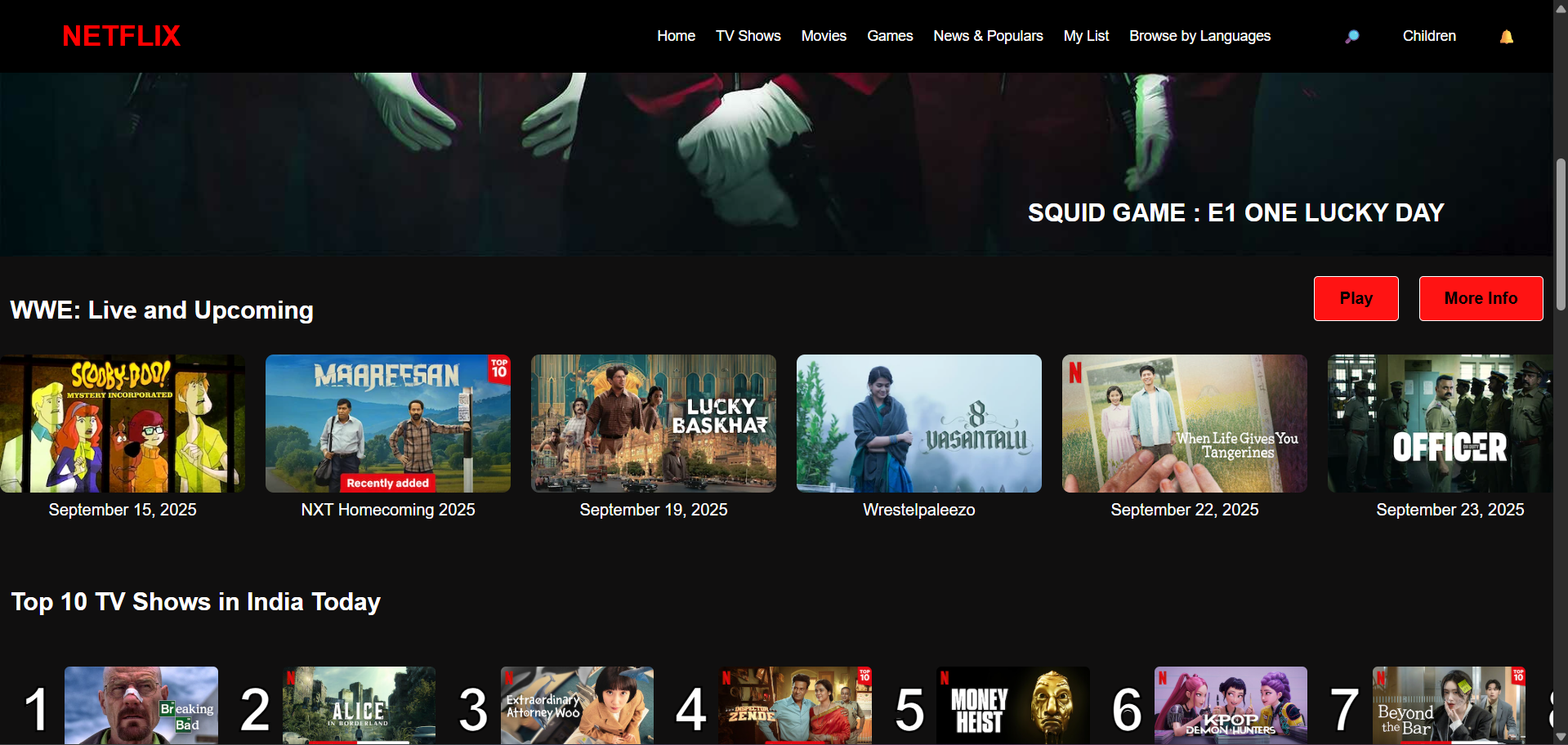
Netflix Clone — Video Streaming Web Application
A Netflix-inspired video streaming platform with authentication, movie browsing, and streaming interface.
Web Application Full Stack React / Node.js Authentication

🔍 The Problem

Streaming platforms require complex systems for user authentication, content management, video streaming, and personalized recommendations. Building such a system helps understand scalable web application architecture and content delivery systems.

💡 The Solution

A Netflix-like web application where users can sign up, log in, browse movies, view trailers or videos, and manage their watchlist. The system includes authentication, movie database, and a responsive streaming interface.

🏗 Architecture

  • User authentication system (Signup/Login)
  • Frontend displays movies and categories
  • Backend manages users and movie data
  • Video content stored on server or external storage
  • Watchlist and user preferences stored in database
  • Responsive streaming UI similar to Netflix

⚙️ Tech Stack

React Node.js / Express HTML / CSS / JS MongoDB / SQLite Auth (JWT) REST APIs Video Streaming

🧗 Challenges

  • Implementing authentication and session management
  • Designing Netflix-like UI and responsive layout
  • Managing video streaming and media storage
  • Database design for users, movies, and watchlists
  • Connecting frontend and backend properly

📚 What I Learned

  • Full stack web application development
  • Authentication using JWT
  • Media handling and streaming basics
  • Building complex frontend UI with React
  • Designing scalable web application architecture
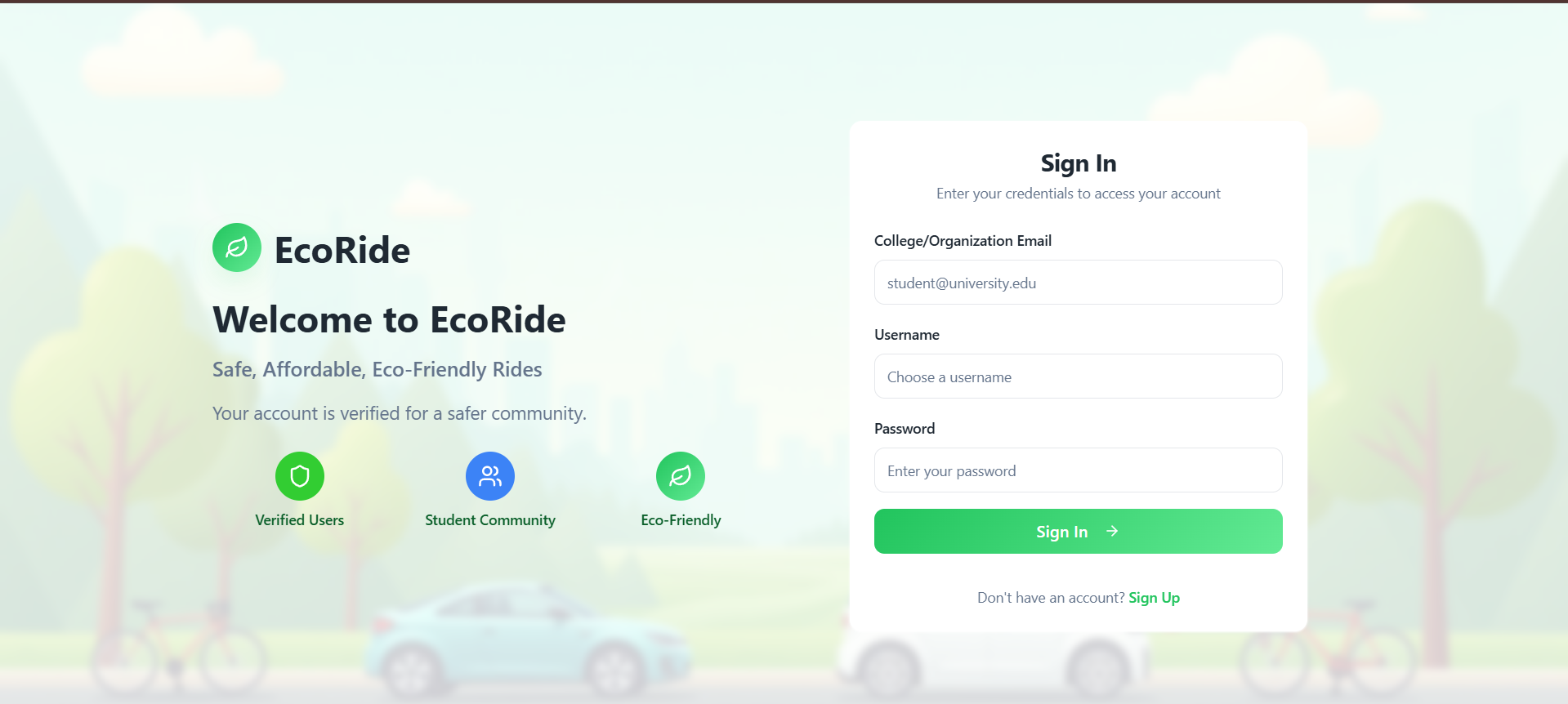
🌱 ecoride — student ride sharing platform
Project 10
🌱 EcoRide — Student Ride Sharing Platform
A secure, eco-friendly ride-sharing platform designed for students and young professionals to share rides, save money, and reduce carbon emissions with verified user safety features.
Web Platform Full Stack React + TailwindCSS Dashboard System

🔍 The Problem

Students and young professionals often travel alone for college, internships, and events, which increases travel costs, traffic congestion, and carbon emissions. Existing ride-sharing platforms are not specifically designed for student communities and lack college verification and safety-focused features.

💡 The Solution

EcoRide is a student-focused ride-sharing platform where verified users can share rides, track environmental impact, manage bookings, and travel safely within their community. The platform also tracks CO₂ saved, money saved, and ride streaks to encourage eco-friendly travel.

🏗 Architecture

  • Users sign up using college/organization email verification
  • Users can offer rides or book available rides
  • System stores bookings and ride history
  • Eco impact calculator tracks CO₂ saved and money saved
  • Profile dashboard shows eco stats, ride history, and verification
  • Safety features include SOS button and verified users
  • Contact support system for issues and emergencies

⚙️ Tech Stack

React Tailwind CSS Lovable AI Dummy Backend Dashboard UI Booking Logic

🧗 Challenges

  • Designing ride booking flow and user experience
  • Implementing eco impact calculation logic
  • Managing ride history and booking data
  • Designing safety features like SOS and verification system
  • Building a clean modern eco-themed UI

📚 What I Learned

  • Building platform-based applications
  • Dashboard and booking system design
  • UI/UX design using Tailwind
  • Designing eco-impact tracking systems
  • Planning scalable apps with future backend integration
guess the number — interactive number guessing game
Project 11
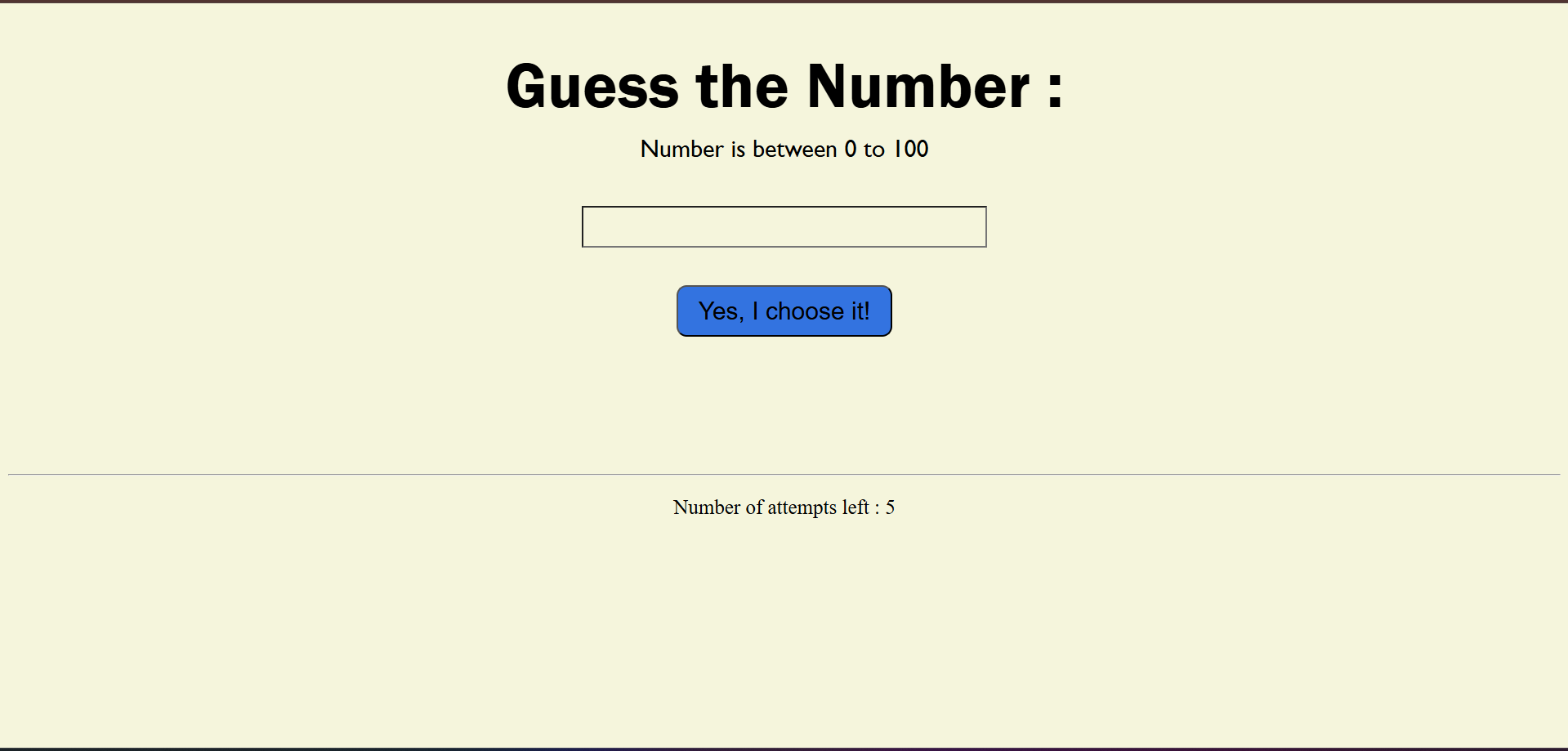
Guess The Number — Interactive Number Guessing Game
A simple interactive number guessing game where the user tries to guess a randomly generated number within limited attempts.
Web / Game JavaScript Python Logic Building

🔍 The Problem

This project is designed to demonstrate basic programming concepts such as loops, conditions, user input handling, random number generation, and game logic implementation.

💡 The Solution

The system generates a random number within a given range, and the user tries to guess it. The system provides hints like “Too High” or “Too Low” until the user guesses correctly or runs out of attempts.

🏗 Logic / Algorithm

  • Generate a random number between 1 and 100
  • User enters a guess
  • If guess > number → show “Too High”
  • If guess < number → show “Too Low”
  • If guess = number → show “Correct!”
  • Limit number of attempts
  • Show score based on attempts used

⚙️ Tech Stack

HTML CSS JavaScript Python (CLI)

🧗 Challenges

  • Handling user input properly
  • Limiting number of attempts
  • Generating random numbers
  • Managing game state and score

📚 What I Learned

  • Conditional statements and loops
  • Logic building and game mechanics
  • Random number generation
  • Basic game development logic
  • User input handling
GitHub Profile View All Repositories
Experience

Where I've learned & competed.

Ongoing
Full Stack Development Intern
EvolveX · Internship

Working as a Full Stack development intern, contributing to real-world application development and learning how production systems are built, deployed, and maintained. The internship focuses on full stack development, backend systems, debugging real issues, and working with existing codebases rather than building projects from scratch.

2024–Now
B.Tech — Computer Science & Engineering
CMR Institute of Technology · Hyderabad, India

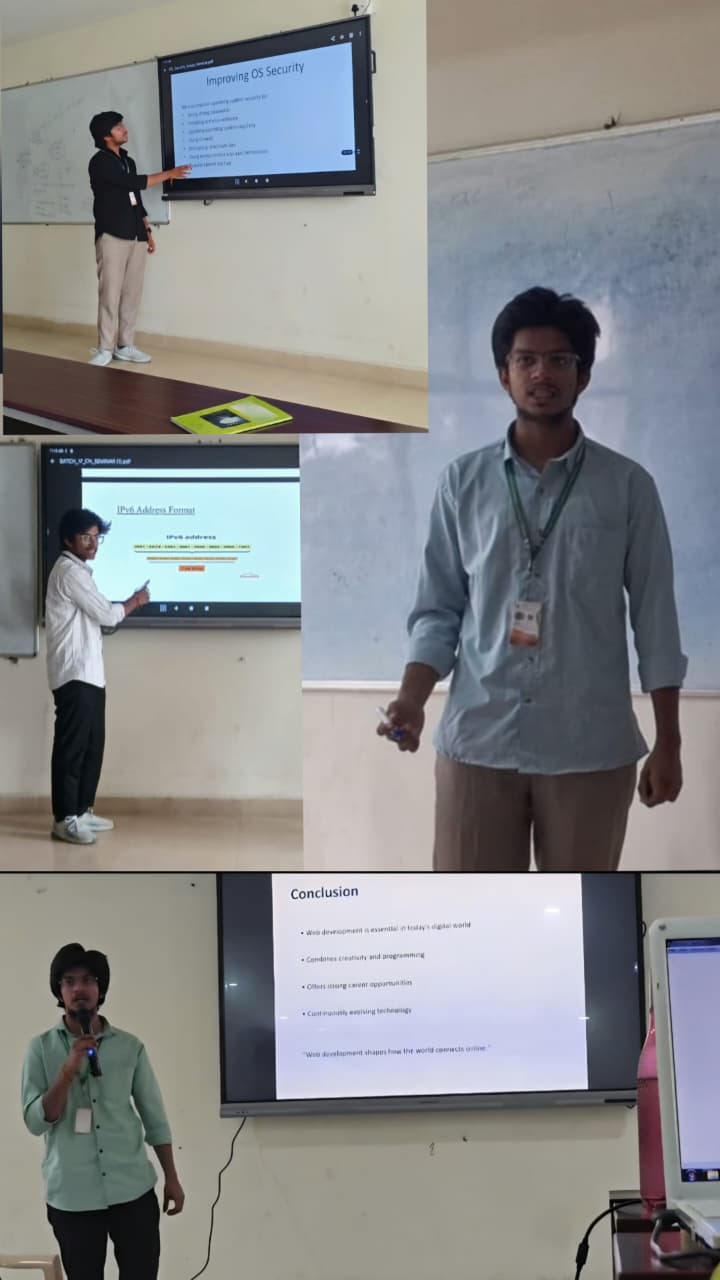
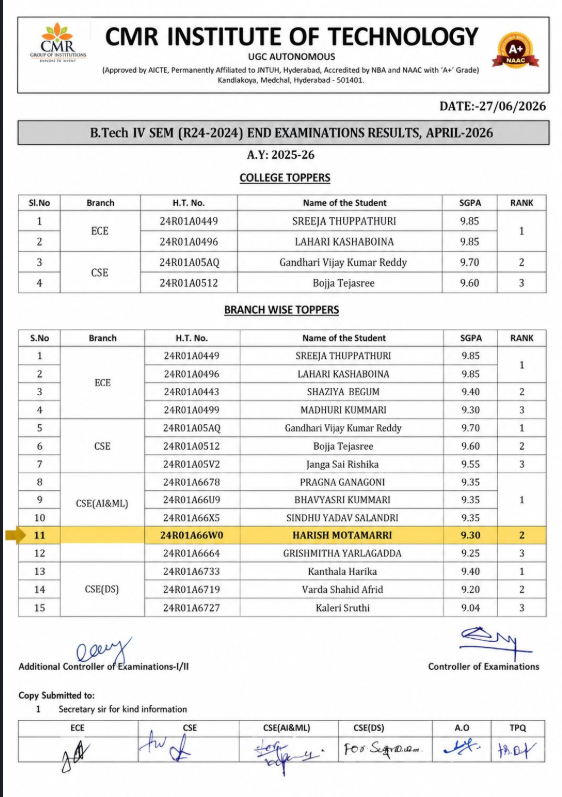
Pursuing undergraduate Computer Science while building real-world projects in parallel. I treat my degree as the foundation and personal projects as the lab — the theory in class maps to the systems I build after hours. Currently exploring advanced DSA, OS fundamentals, and networking and integrating these concepts into real systems and applications.

Semester 1 9.15
Semester 2 9.55
Semester 3 8.90
Total CGPA 9.12 / 10
Data Structures & Algorithms Operating Systems Computer Networks Database Systems
2025–2026
Volunteer
Volunteer & Activity Member
Hindustan Scouts and Guides

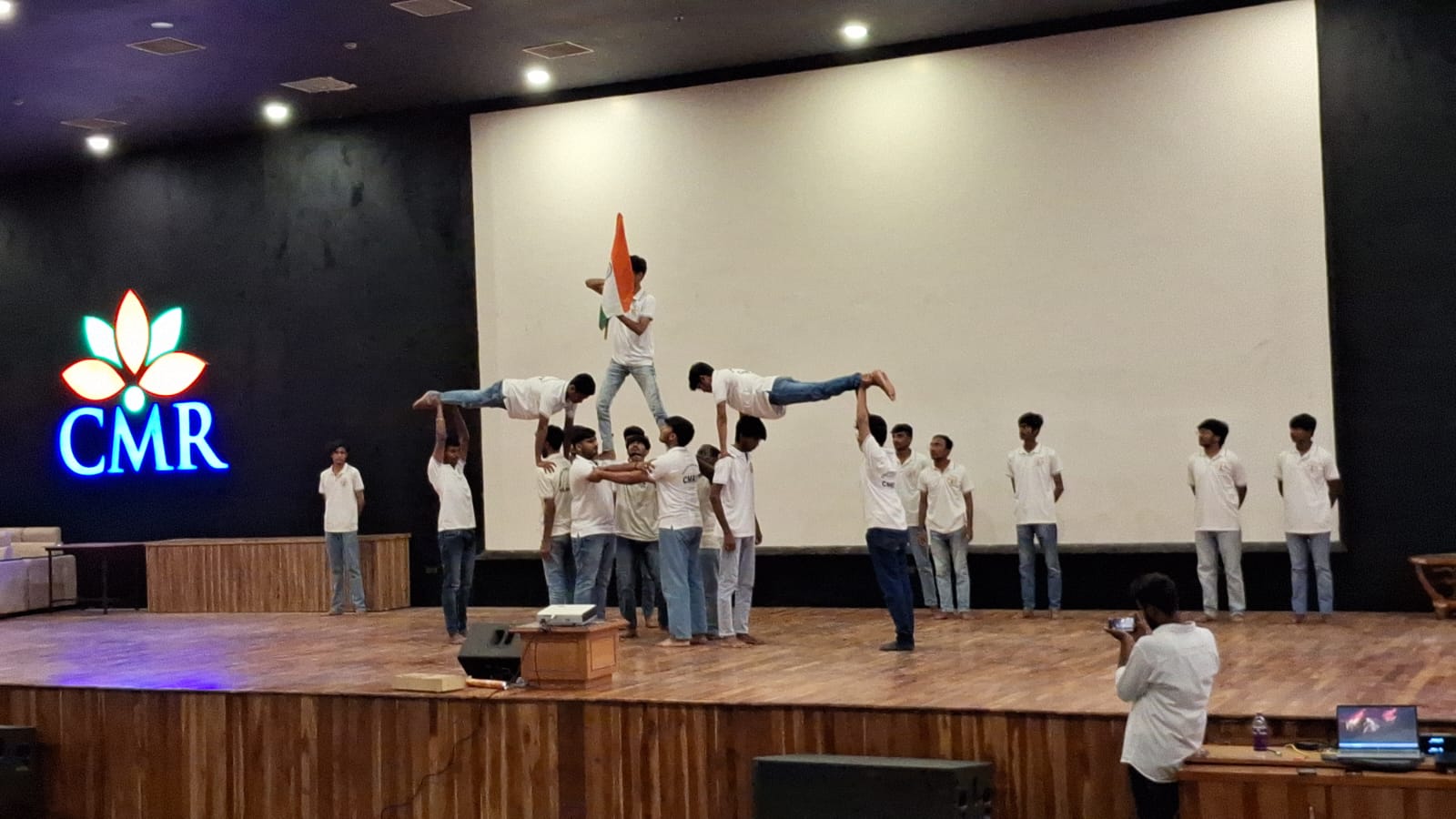
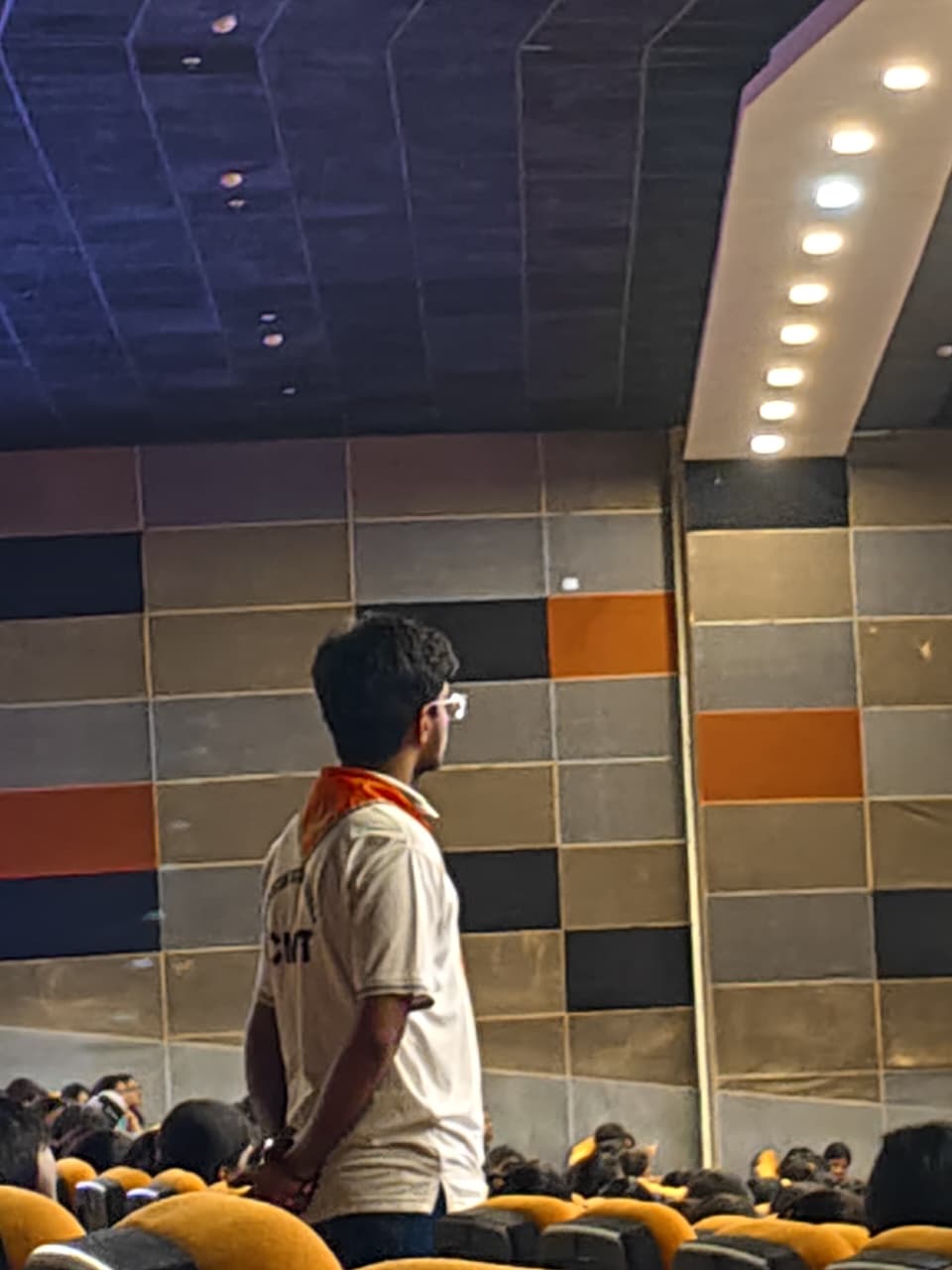
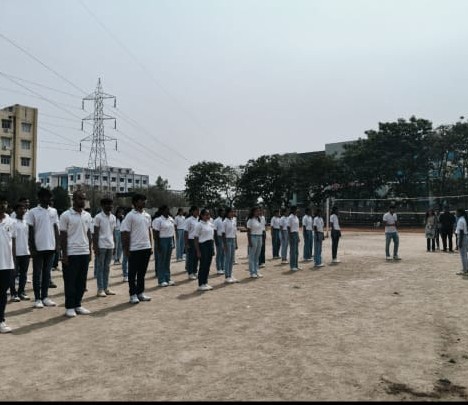
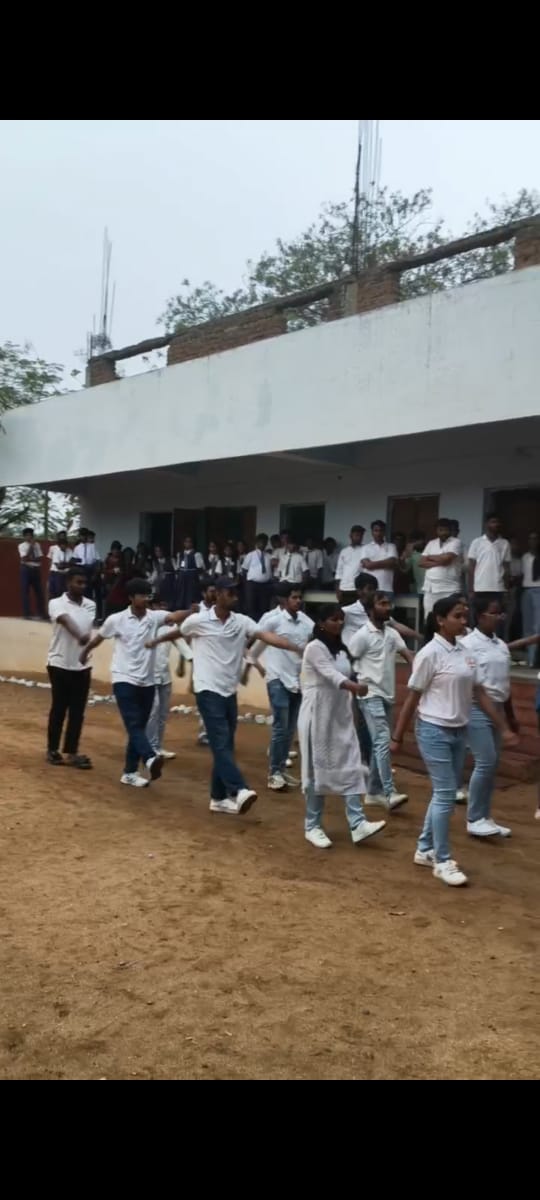
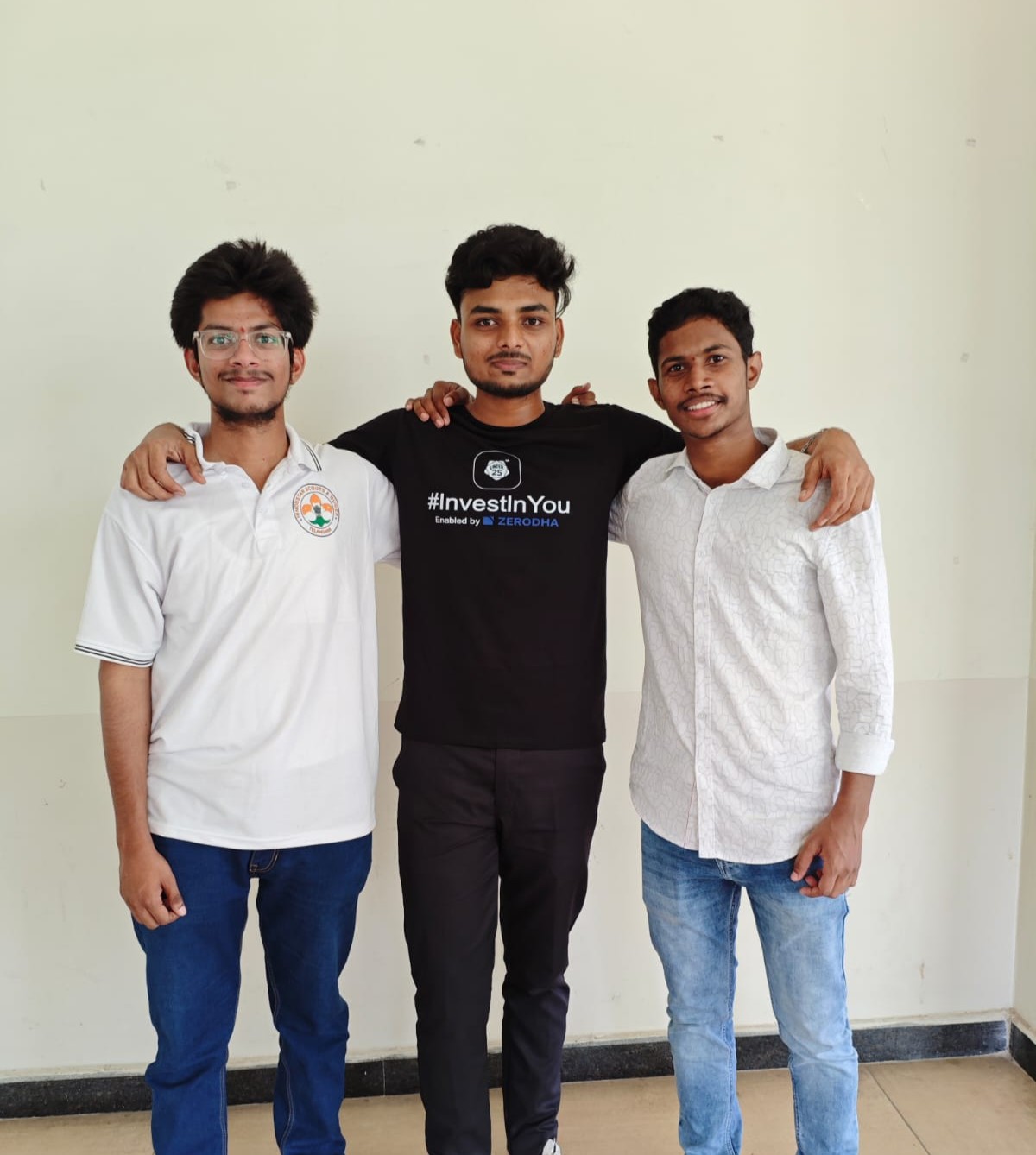
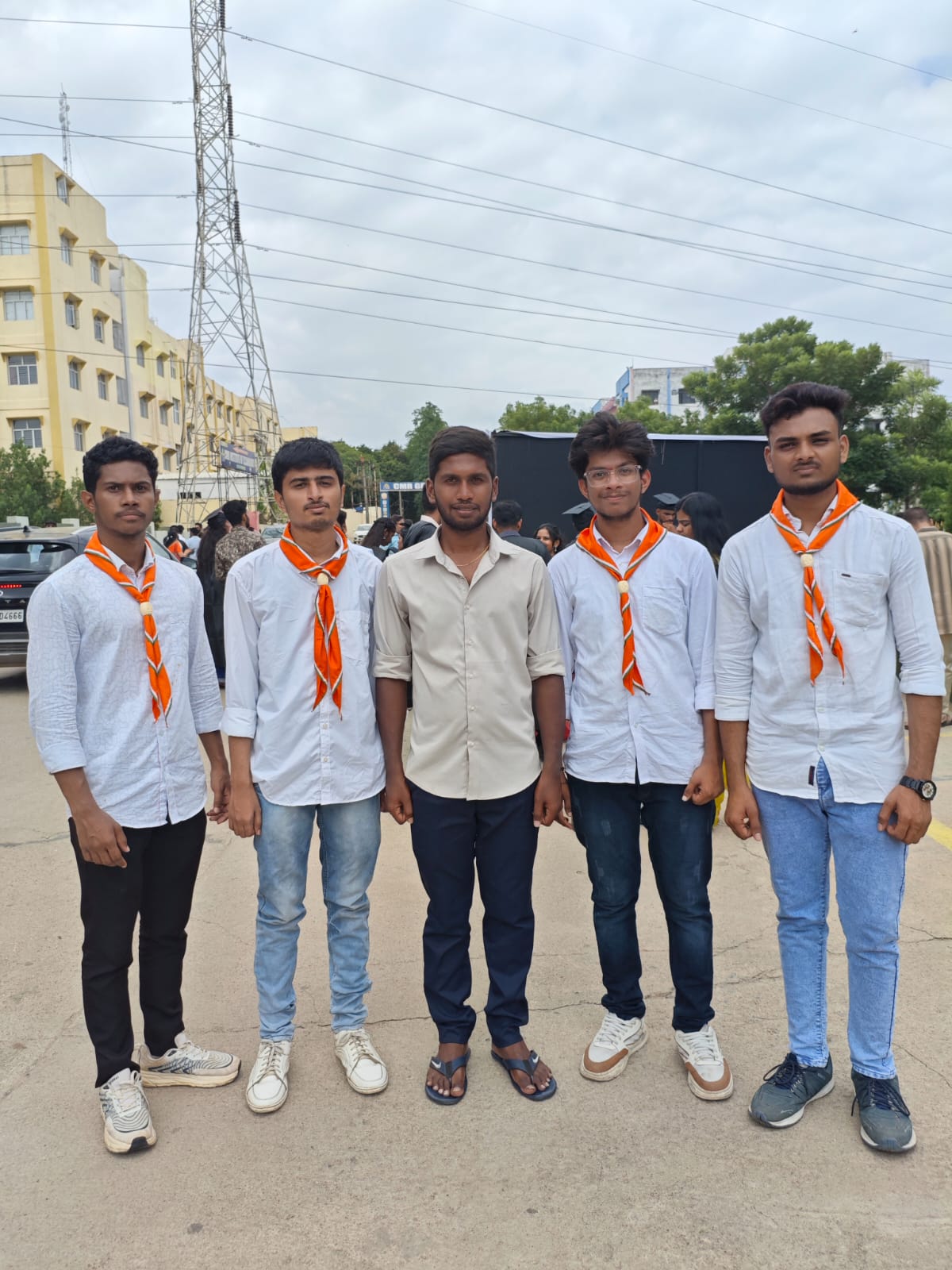
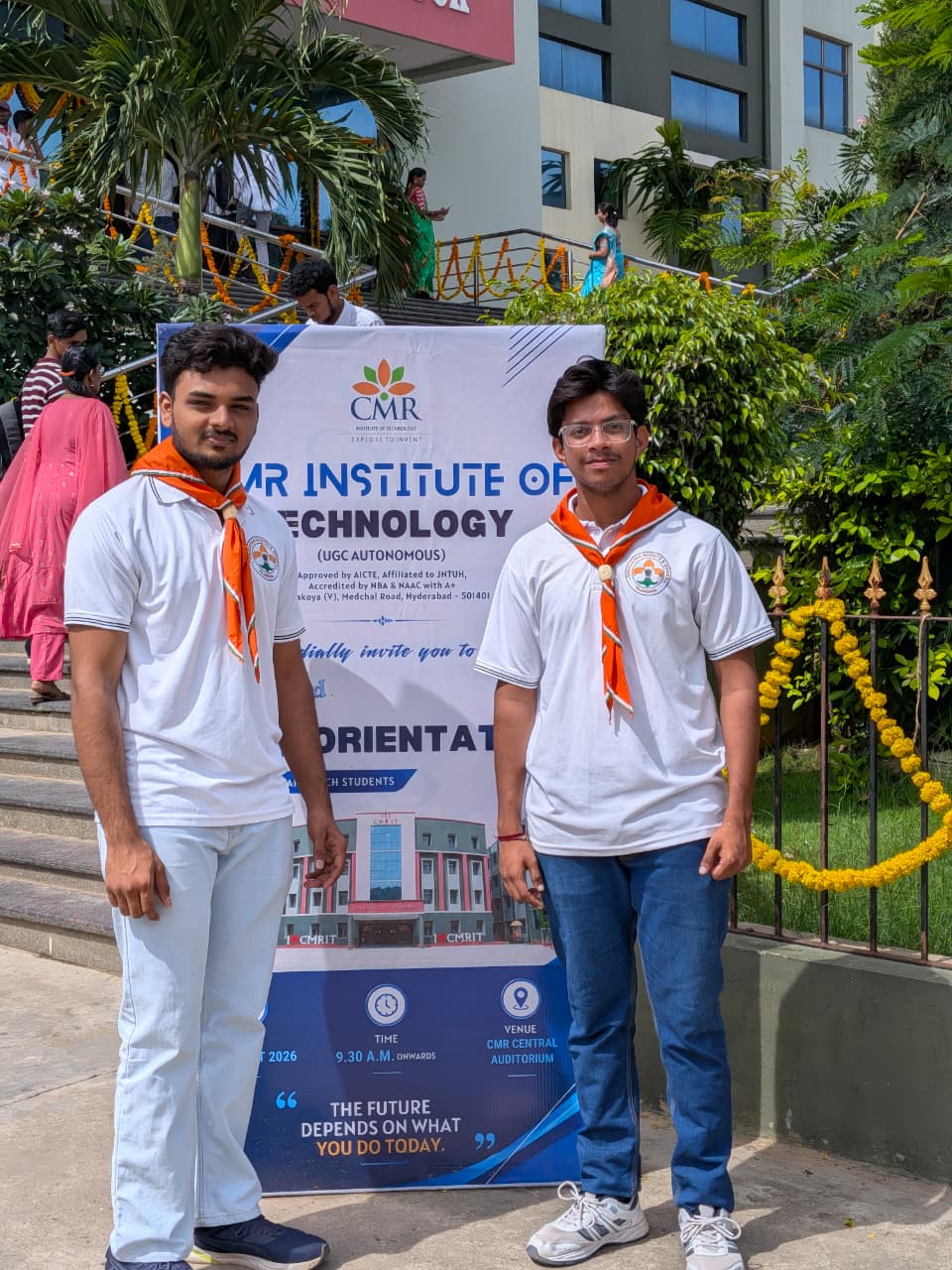
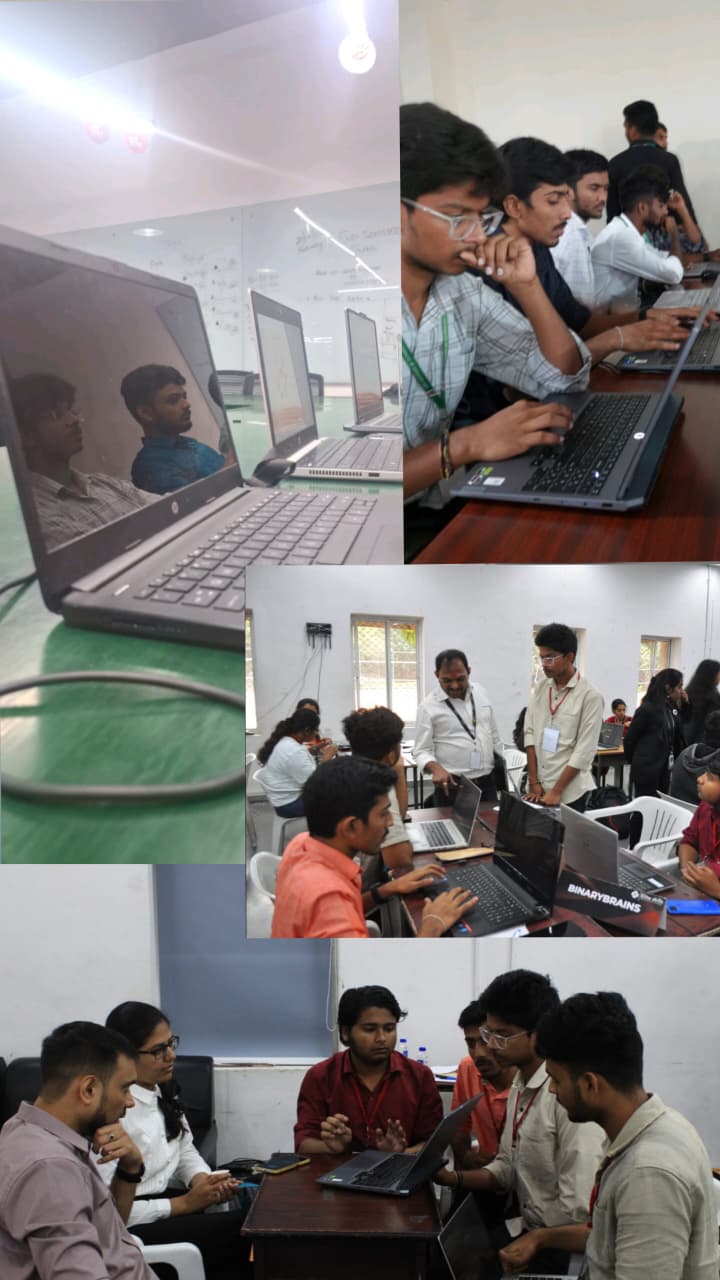
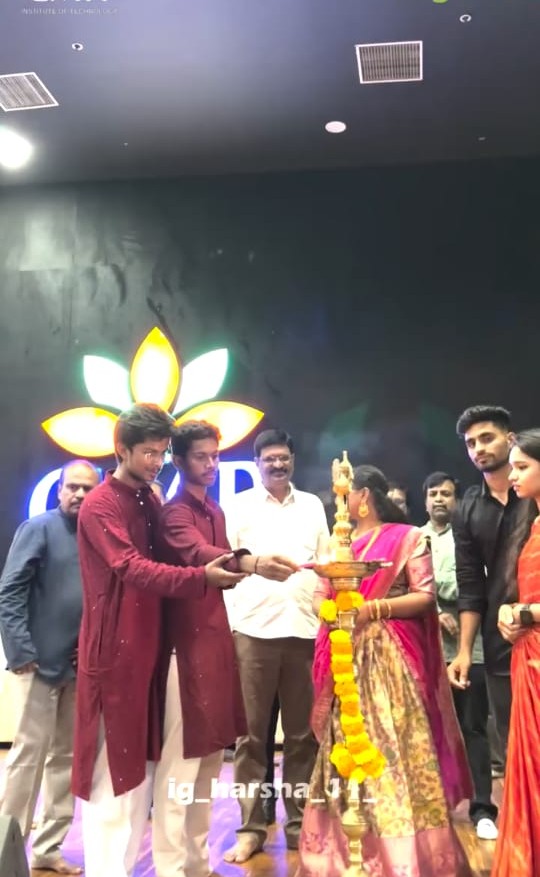
Participated as a volunteer during Graduation Day at CMRIT, visited a school to interact with children, took part in Scouts Day events, and volunteered for the Swecha AI Program at the CMRIT Auditorium. These experiences strengthened my communication, teamwork, and community service skills while giving me hands-on experience working with people and events.

Actively Participated as Volunteer in

Graduation Day at CMRIT School Visit Scouts Day Swecha AI Program
Ongoing
Independent Builder & Self-Directed Learner
Open Source · Personal Projects · Remote

Consistently building side projects that solve real problems — documenting the process, sharing learnings publicly, and building systems across IoT, AI, full stack, and security domains. Every project is a deliberate step toward becoming a stronger engineer and a more thoughtful product builder.

IoT Systems AI / Machine Learning Full Stack Web Development System Design
Achievements

Moments that shaped me.

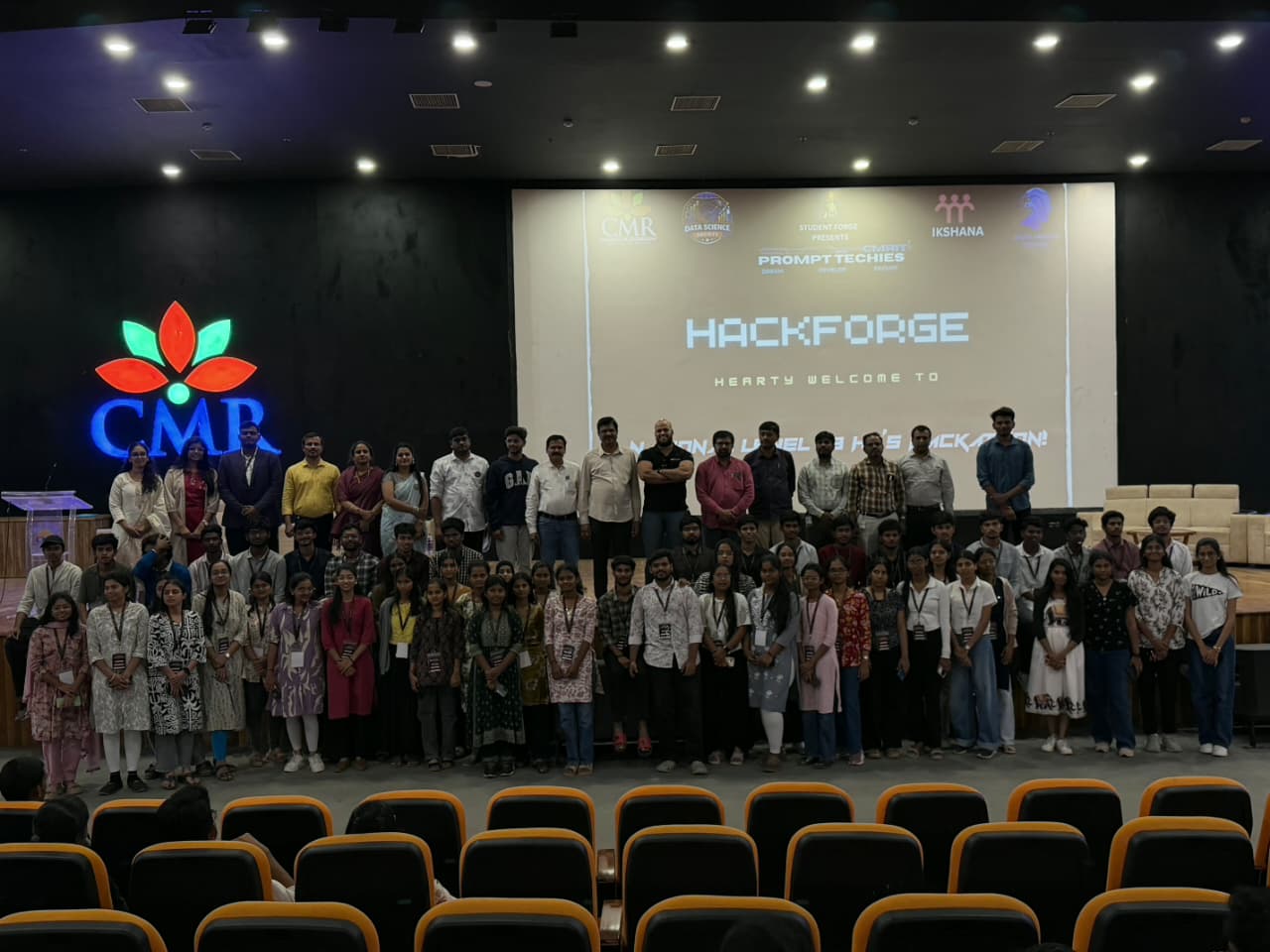
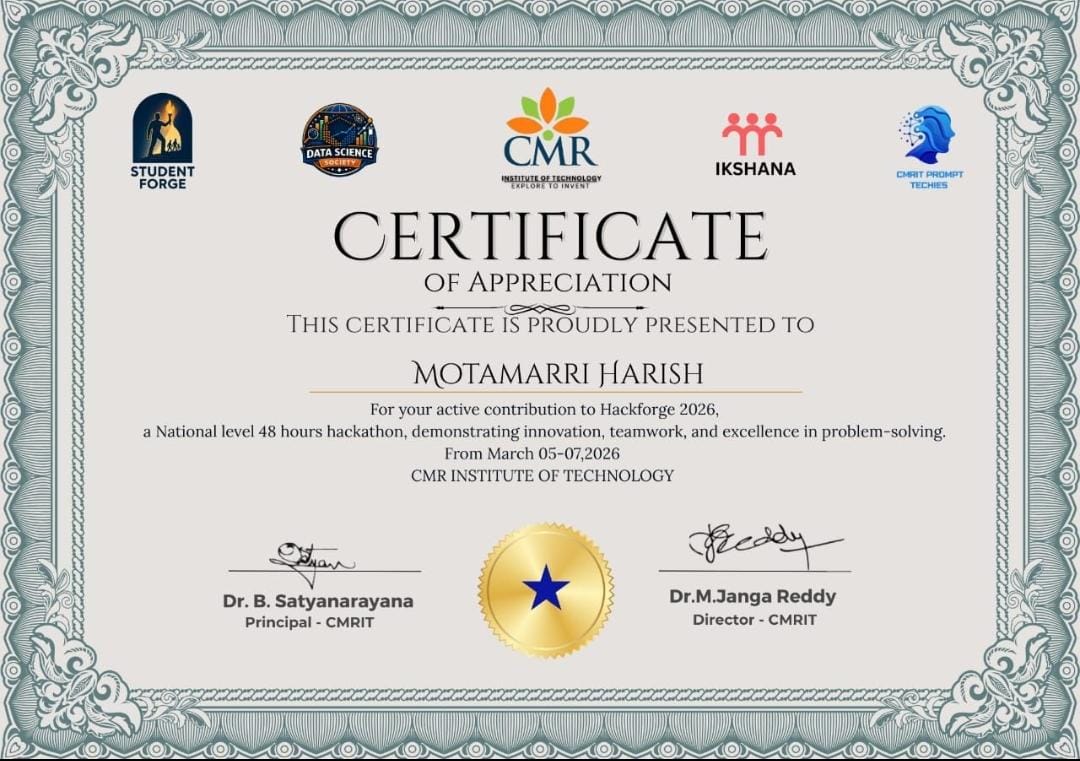
HackForge — 48h Hackathon
CMRIT · 2024

Shipped a full-stack product in 48 hours with a team — presented to a live jury. Proved that speed and quality aren't mutually exclusive when the team is aligned.

AgriVani — AI for 600M+ Farmers
Independent Project · 2024

Built an AI crop disease detection app targeting Indian farmers — addressing a market of 600M+ people with a problem that costs the economy hundreds of millions annually.

BlackBox — End-to-End IoT System
Independent Project · 2024

First end-to-end hardware+software integration project. Bridged the gap between embedded systems and modern web — a domain most web developers never touch.

TypeScript-First Frontend Architecture
CMRIT Event Hub · 2024

Built a production-quality React + TypeScript platform with a proper design system — demonstrating software engineering maturity beyond typical student projects.

Academic Excellence + Real Projects
B.Tech CSE-Ai&Ml · Ongoing

Balancing a rigorous academic curriculum with consistent project shipping — demonstrating time management and the ability to learn formally and independently in parallel.

Multi-Domain Technical Range
AI · IoT · Full Stack · 2023–2024

Delivered production projects across AI/ML, IoT, and full-stack web — a rare combination that enables system-level thinking across the full technology stack.

Philosophy

How I approach building.

Build for the User, Not the IDE

Clean code matters, but a shipped product matters more. I prioritize solving real problems for actual users over chasing the perfect syntax or the trendiest new framework.

Iterate over Speculate

The best way to know if an idea works is to build it. I prefer rapid prototyping and gathering feedback early rather than spending weeks planning in a vacuum.

Full System Perspective

Whether it's a frontend bug or a database lock, I trace the problem through the entire stack. Understanding how the pieces fit together is key to building resilient systems.

Contact

Let's build something
worth shipping.

I'm open to internships, startup collaborations, and interesting engineering problems.

Currently focused on
01
Building production-ready full stack applications with clean architecture
02
Deep-diving system design: scalability, caching, and database internals
03
Developing AI-integrated products with real-world deployment constraints
04
Contributing to startup-velocity teams with high ownership culture

Want the full picture? My resume covers everything in one page.

↓ Request Resume
👁 ... Visitors